
Our Programs
Our integrated programs in action
From cancer awareness and screening to outreach, education, and patient support — explore everything we do, all in one place.
Program
Health Awareness
Raising everyday health literacy so people recognise warning signs early and act on them.
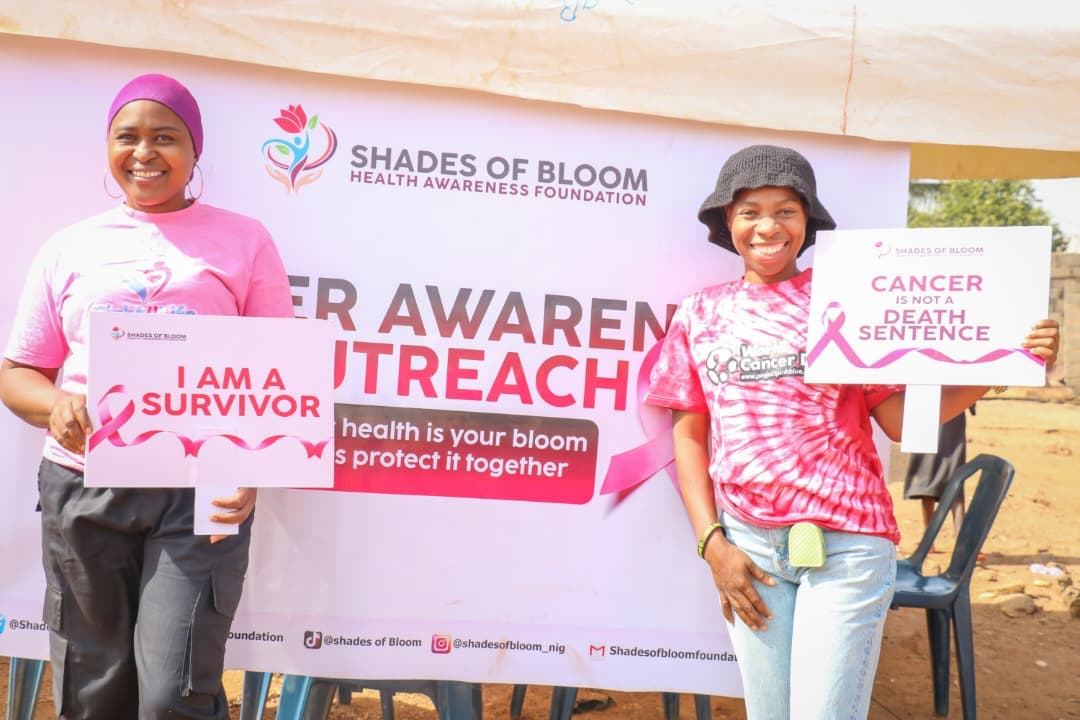
Health awareness is the foundation of everything we do. Before anyone can act on their health, they need clear, accurate, and non-frightening information they can trust.
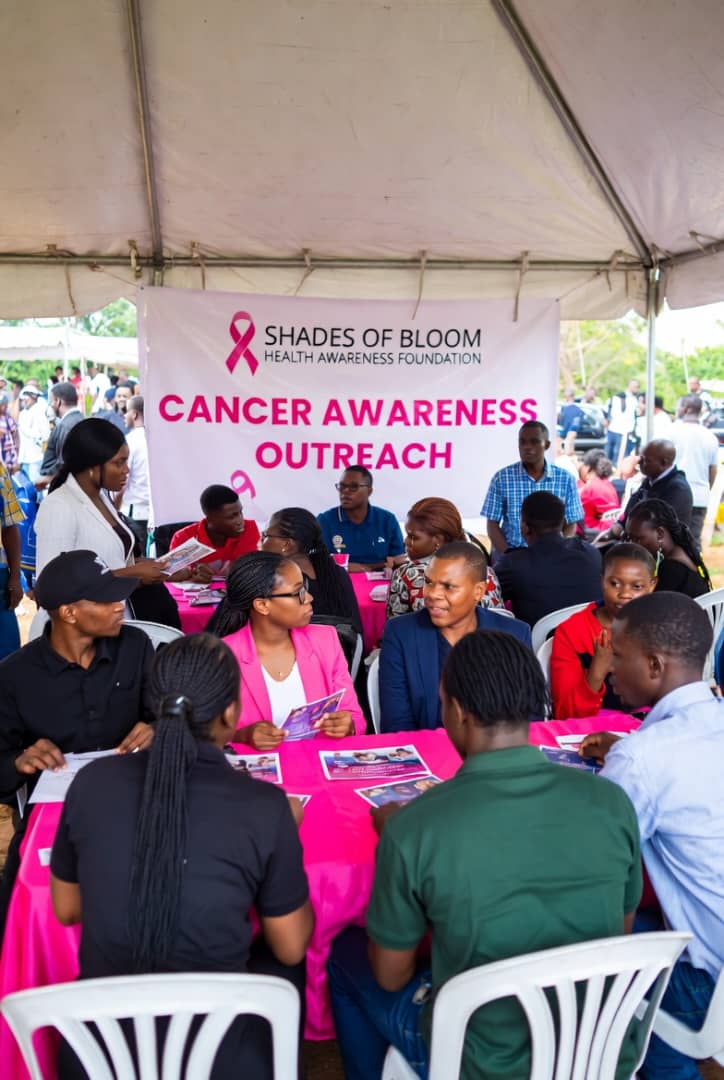
We translate clinical guidance into plain language and take it into the places where people already gather — homes, markets, schools, places of worship, and community centres.
Community awareness talks
Short, practical sessions on warning signs, risk factors, and when to seek medical attention.
Awareness materials
Posters, flyers, and simple guides distributed in local languages during outreach.
Survivor-led education
Survivors share lived experience, which consistently drives higher engagement than clinical messaging alone.
Referral guidance
We help people understand where to go next and what to expect at a screening or clinic visit.
Program
Cancer Awareness
Education on breast, cervical, prostate, and colorectal cancer — and the power of early detection.
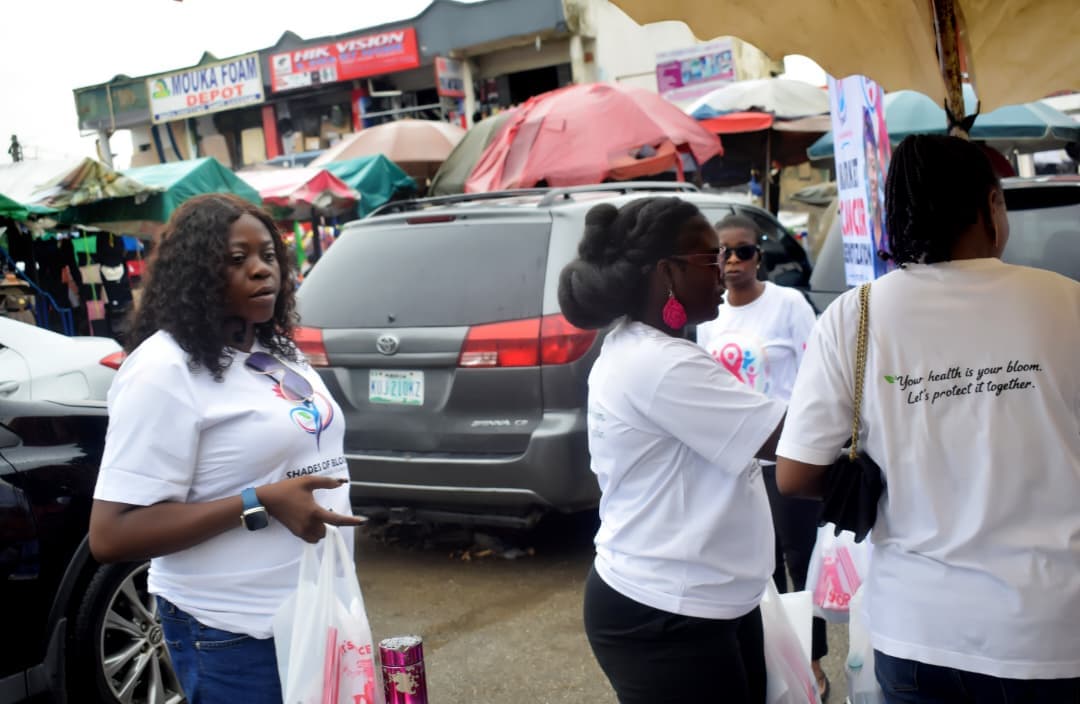
Late presentation remains the single biggest reason cancer outcomes are poor in the communities we serve. Most people we meet are not unwilling to seek care — they simply have not been told what to look for.
Our cancer awareness work focuses on the cancers that are most common and most detectable early, and on removing the fear and stigma that delay people from getting checked.
Breast cancer awareness
Self-examination guidance, risk education, and clear next steps if something feels unusual.
Cervical cancer awareness
Information on screening, HPV, and the vaccines and tests that prevent late diagnosis.
Prostate cancer awareness
Targeted education for men over 40, delivered in male-friendly, judgement-free settings.
Colorectal cancer awareness
Symptom education and survivor advocacy, including ostomy awareness and support.
Early detection changes outcomes
Cancers found early are far more treatable, less expensive to treat, and far more survivable. Every awareness conversation is an opportunity to move a diagnosis earlier.
Program
Disease Prevention
Practical prevention guidance and community screening drives that catch disease before it advances.
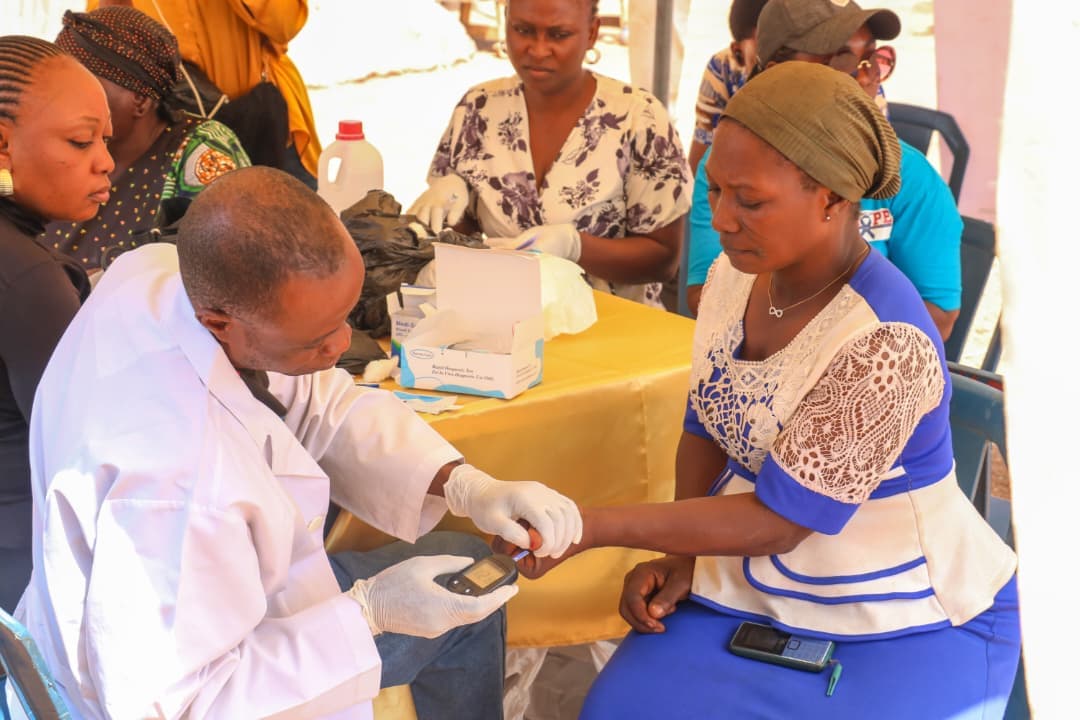
Prevention is the most cost-effective health intervention available to any community. Small, sustained changes in behaviour and routine checks prevent a large share of avoidable illness.
We combine prevention education with access — because advice alone does not help someone who has no realistic route to a screening or a check-up.
Risk-factor education
Nutrition, tobacco, alcohol, physical activity, and environmental risk explained plainly.
Non-communicable disease checks
Blood pressure and blood sugar checks during outreach, with referral for anyone flagged.
Hygiene & infection prevention
Community sessions on preventable infection, especially for families and young people.
Follow-up support
We check back on people we refer, so a referral does not become a dead end.
Program
Community Outreach
Taking health awareness directly into communities, markets, and neighbourhoods.
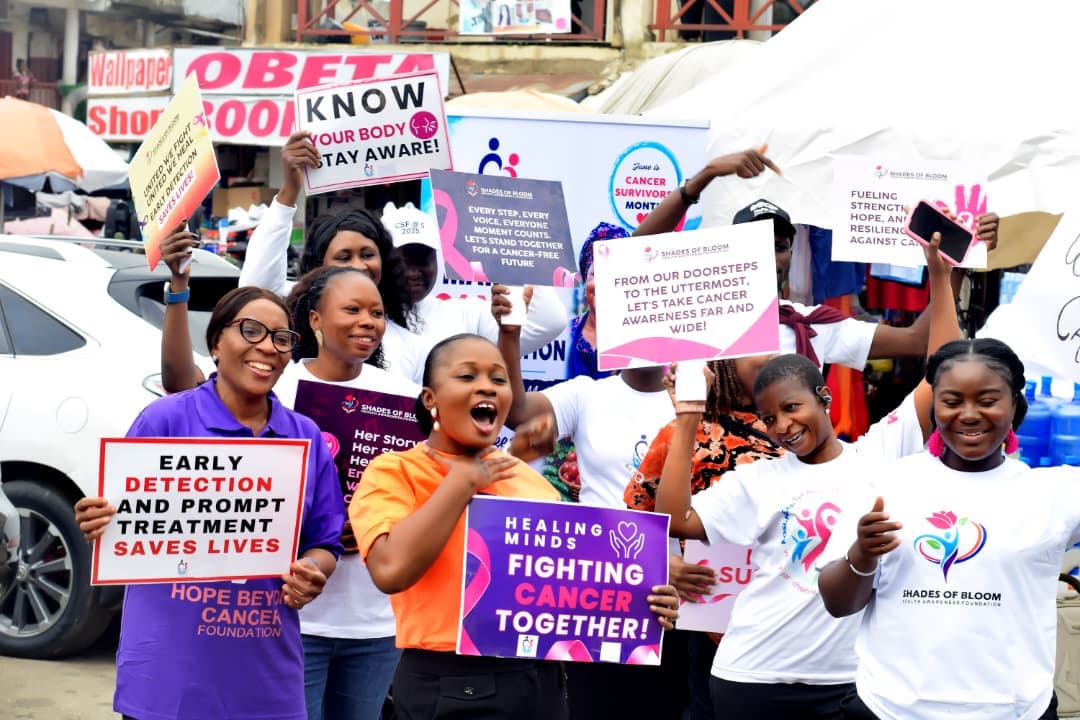
We do not wait for people to come to us. Our outreach teams go into communities with awareness materials, health checks, and survivors who can speak from experience.
Every outreach is planned with local leaders so the programme fits the community rather than being imposed on it.
Neighbourhood outreach
Door-to-door and gathering-point awareness in partnership with community leadership.
Market outreach
Reaching traders and shoppers where footfall is highest and health access is lowest.
Faith & community centres
Working through trusted institutions to reach people who avoid clinical settings.
Volunteer mobilisation
Training and deploying local volunteers so outreach continues beyond a single event.
Program
Health Education
Workshops, seminars, and materials that turn awareness into everyday action.
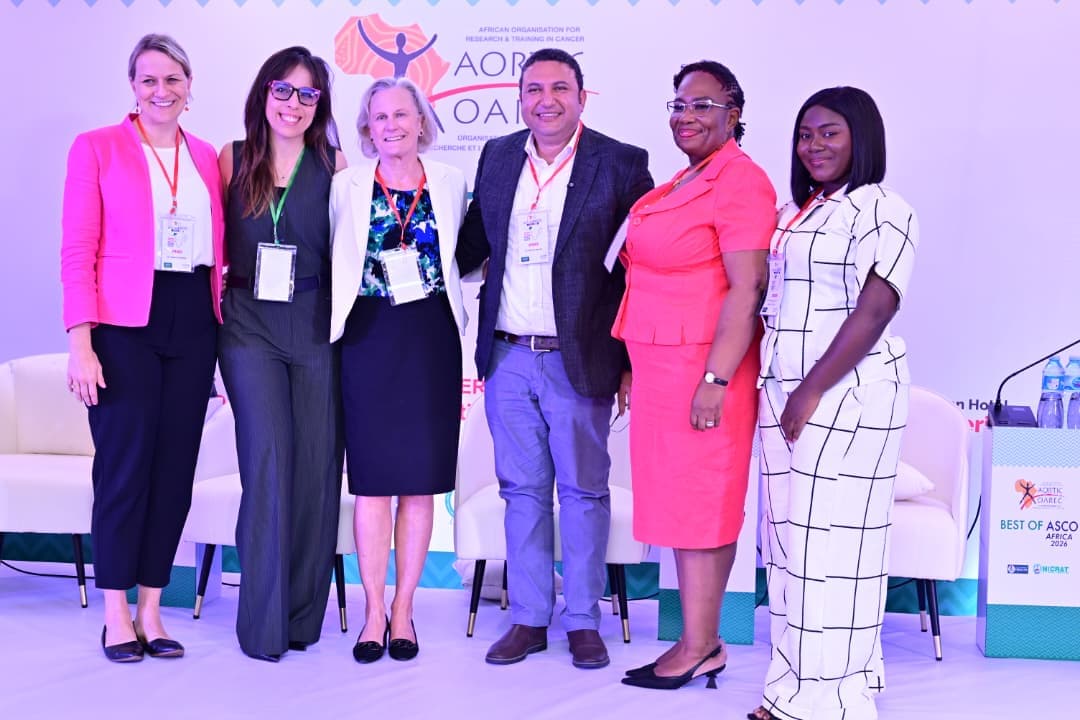
Awareness tells someone that a risk exists. Education tells them what to do about it. Our education programme goes deeper than a single conversation.
We run structured sessions for communities, schools, and partner organisations, and we publish materials people can take home and share.
Seminars & conferences
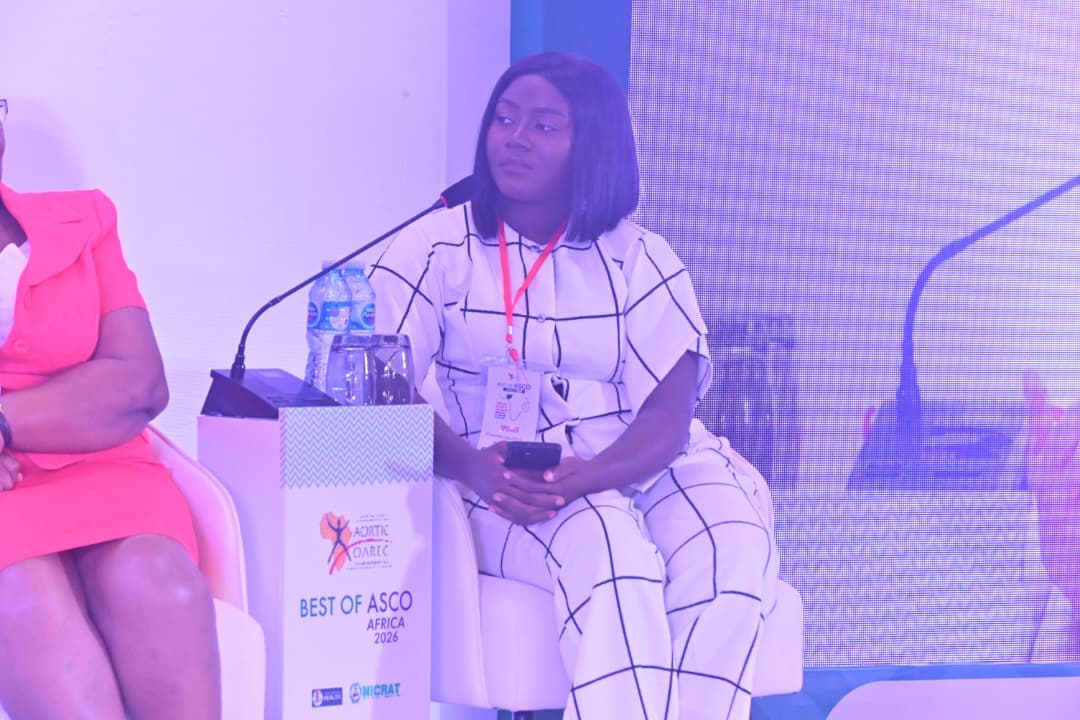
Multi-session events bringing survivors, clinicians, and communities into one room.
Workshops
Small-group, practical sessions on self-examination, prevention, and navigating care.
Educational materials
Guides, infographics, and posters designed for low-literacy and multilingual audiences.
Training for partners
Equipping partner staff and volunteers to deliver consistent, accurate health messaging.
Program
Screening Programs
Free and subsidised screening events with clear registration and honest follow-up.
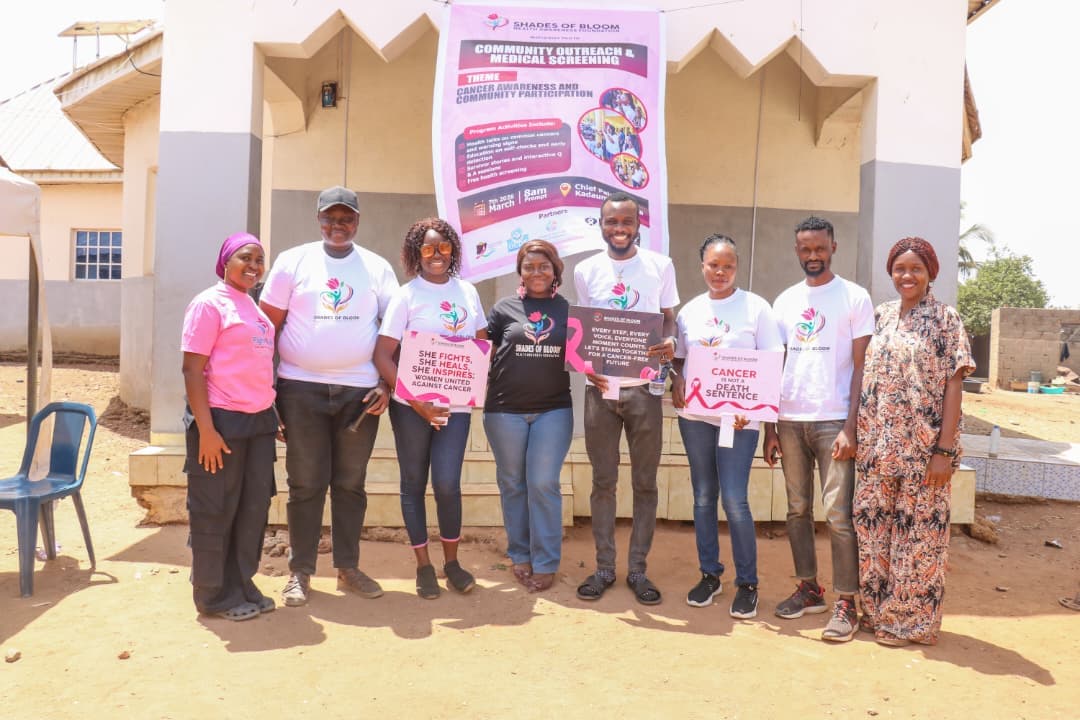
Screening is where awareness becomes action. Our screening programmes are delivered with healthcare partners so that anyone flagged during a screening has a real route to diagnosis and care.
Screenings are free or subsidised, held in accessible community locations, and staffed by qualified healthcare professionals.
Community screening drives
Scheduled screening events announced through outreach, partners, and this website.
Registration & scheduling
Simple registration so we can plan capacity and reduce waiting time on the day.
Referral pathways
Partner hospitals and clinics receive anyone requiring further investigation.
Post-screening follow-up
We follow up on referrals and help participants navigate their next appointment.
Find a screening near you
Upcoming screening drives are published on our Events page with dates, locations, and registration. New screenings are announced there first.
Program
Patient Support
Practical, emotional, and navigational support for patients and survivors.

A diagnosis is only the beginning of a long, expensive, and often lonely journey. Our patient support work exists to make sure nobody walks that road without help.
We connect patients with survivors who have been through it, help them understand their treatment pathway, and advocate for them where we can.
Survivor peer support
Matching newly diagnosed patients with survivors who understand the journey firsthand.
Support groups
Regular gatherings where patients and survivors share experience without judgement.
Care navigation
Helping patients understand appointments, treatment stages, and available assistance.
Advocacy & referral
Connecting patients with partner hospitals, specialists, and support organisations.
Need to talk to someone?
Reach the Foundation through our Contact page and select “Volunteer / Support” as your subject. A member of our support team will respond within two business days.
Program
Caregiver Support
Support for the families and carers who carry the journey alongside the patient.
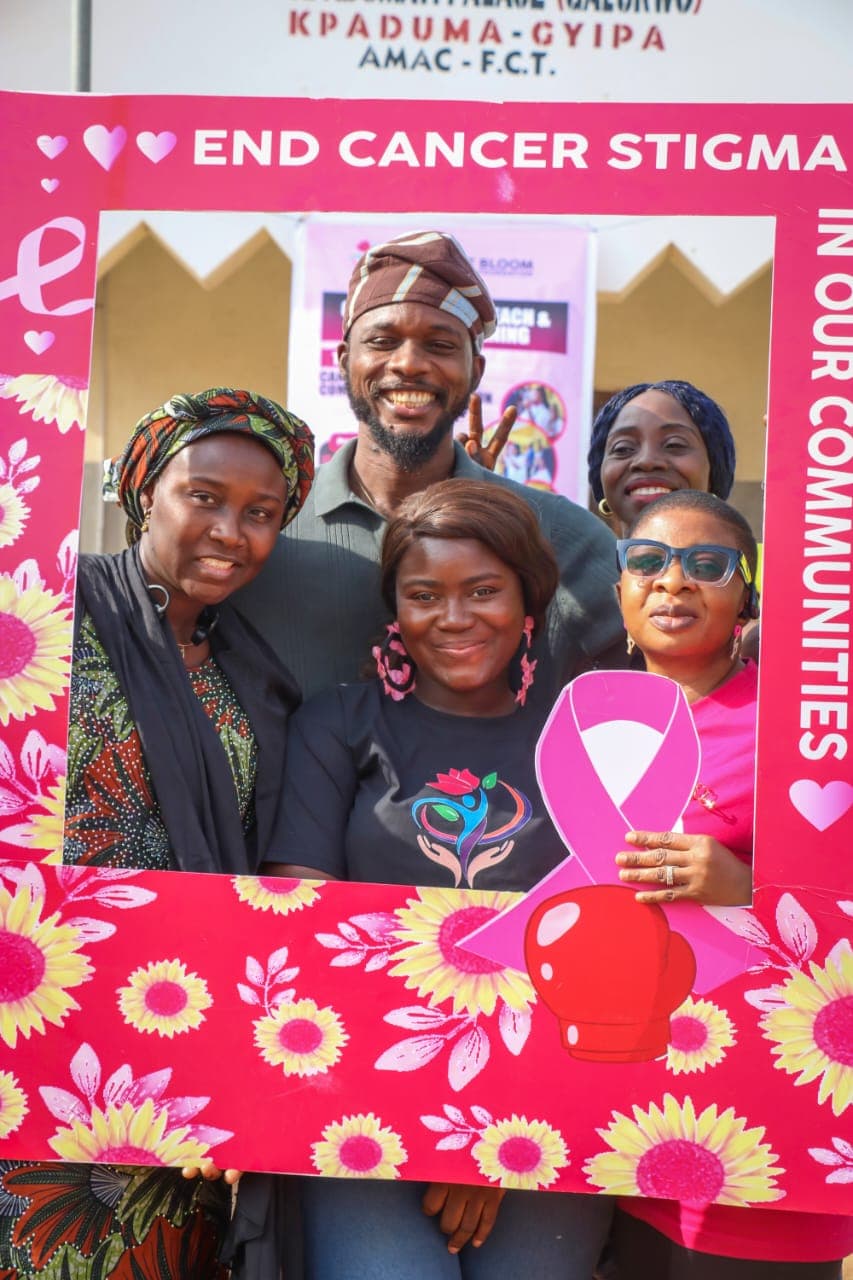
Caregivers are the invisible half of every diagnosis. They manage treatment schedules, finances, transport, and emotional weight — often while working and raising families.
Our caregiver programme gives carers information, community, and permission to look after their own wellbeing too.
Caregiver education
Practical guidance on care routines, nutrition, wound and ostomy care, and warning signs.
Carer support circles
Spaces where caregivers can speak honestly about exhaustion and grief without guilt.
Burnout awareness
Recognising carer burnout early and building sustainable routines and shared duties.
Family guidance
Helping families communicate about diagnosis, treatment decisions, and finances.
Program
Youth Programs
Equipping young people with health knowledge early — before habits and risks set in.
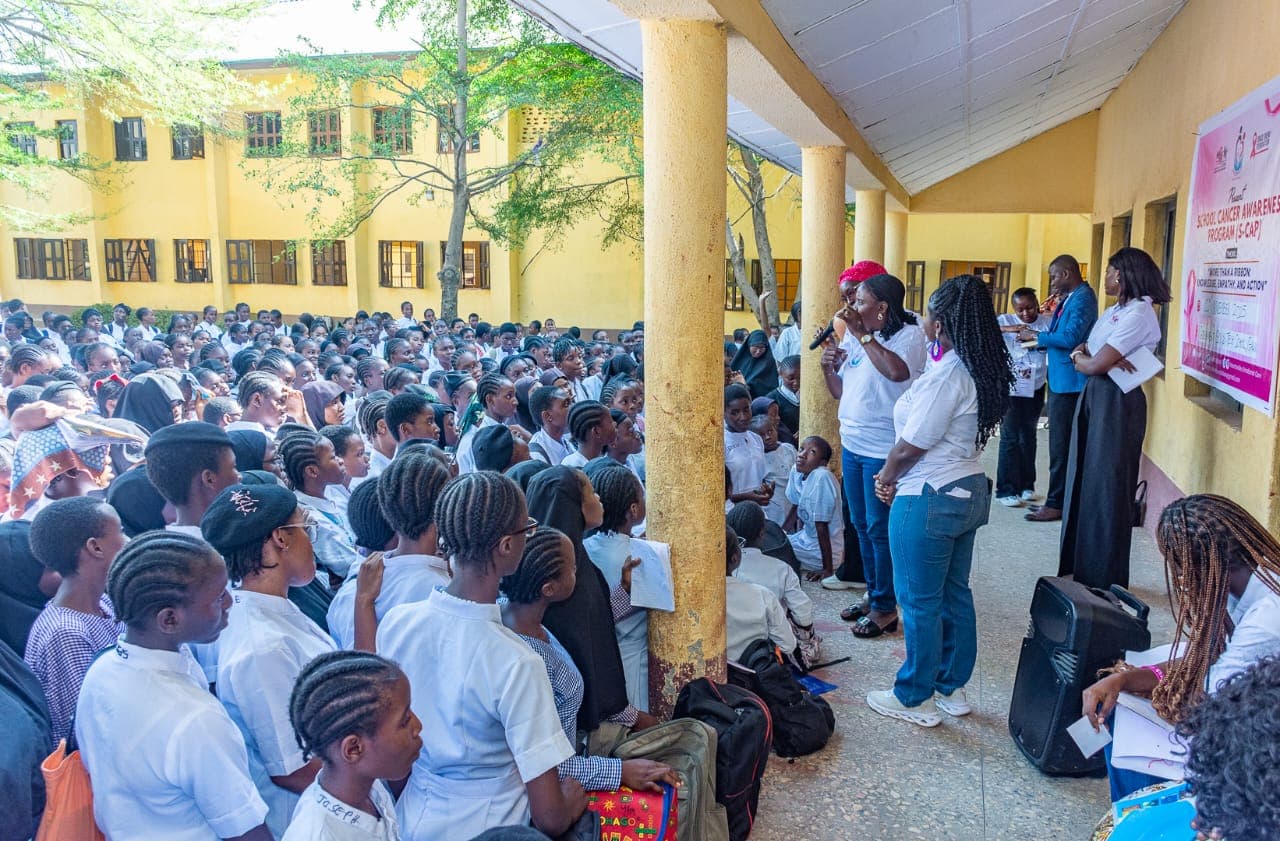
Young people are the most effective health messengers in any household. When a student learns something in school, it travels home the same day.
Our youth programmes run in secondary schools and youth groups, with age-appropriate content and parental consent for any registration.
Secondary school outreach
Assembly and classroom sessions on prevention, early detection, and healthy choices.
Health clubs
Student-led health clubs that keep awareness alive between our visits.
Youth ambassadors
Training young champions to lead awareness activity among their peers.
Life-skills sessions
Nutrition, hygiene, tobacco and alcohol risk, and mental wellbeing basics.
Ages 12–18 · Parental consent required
All youth programme registrations require parental or guardian consent, and all sessions are delivered with school staff present.
Program
Advocacy
Pushing for policy, funding, and services that make early detection normal, not exceptional.
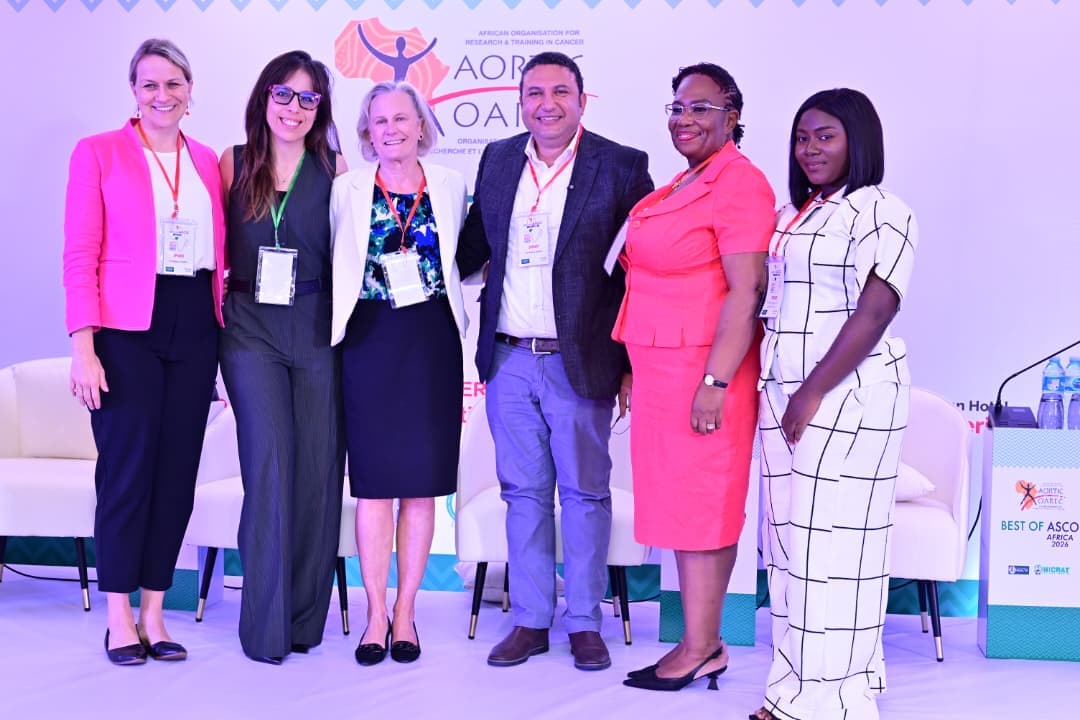
Awareness at community level has limits if screening is unaffordable or unavailable. Advocacy is how we work on the system itself.
We engage government agencies, healthcare institutions, and the media to push for accessible screening, honest public health information, and support for patients and survivors.
Policy engagement
Working with agencies and partners on screening access and public health messaging.
Survivor advocacy
Amplifying survivor voices in public conversations about cancer and chronic illness.
Media & awareness campaigns
Using awareness months and press engagement to shift public understanding at scale.
Institutional partnerships
Building coalitions with hospitals, NGOs, and corporates around shared health goals.
Help us take awareness further
Volunteer at an outreach, partner with us, or fundraise — every hand makes the next awareness campaign possible.