
Cancer Awareness & Education
Knowledge is power in the fight against cancer
Understanding cancer types, risk factors, and early warning signs can save lives — yours and the people you love. Learn it here, then share it forward.
Why It Matters
Why Cancer Awareness Matters
Early Detection Saves Lives
When cancer is found early, treatment options are wider and outcomes are far better. Knowing the warning signs and keeping up with recommended screenings can make all the difference.
Prevention Is Possible
A significant share of cancers can be avoided through everyday choices — what we eat and drink, how active we are, and staying away from tobacco.
Knowledge Empowers
The better you understand your body, your family history, and your screening schedule, the more control you have over your own health.
Breaking Stigma
Talking openly about cancer replaces fear with understanding — so people seek help sooner and stand by one another.
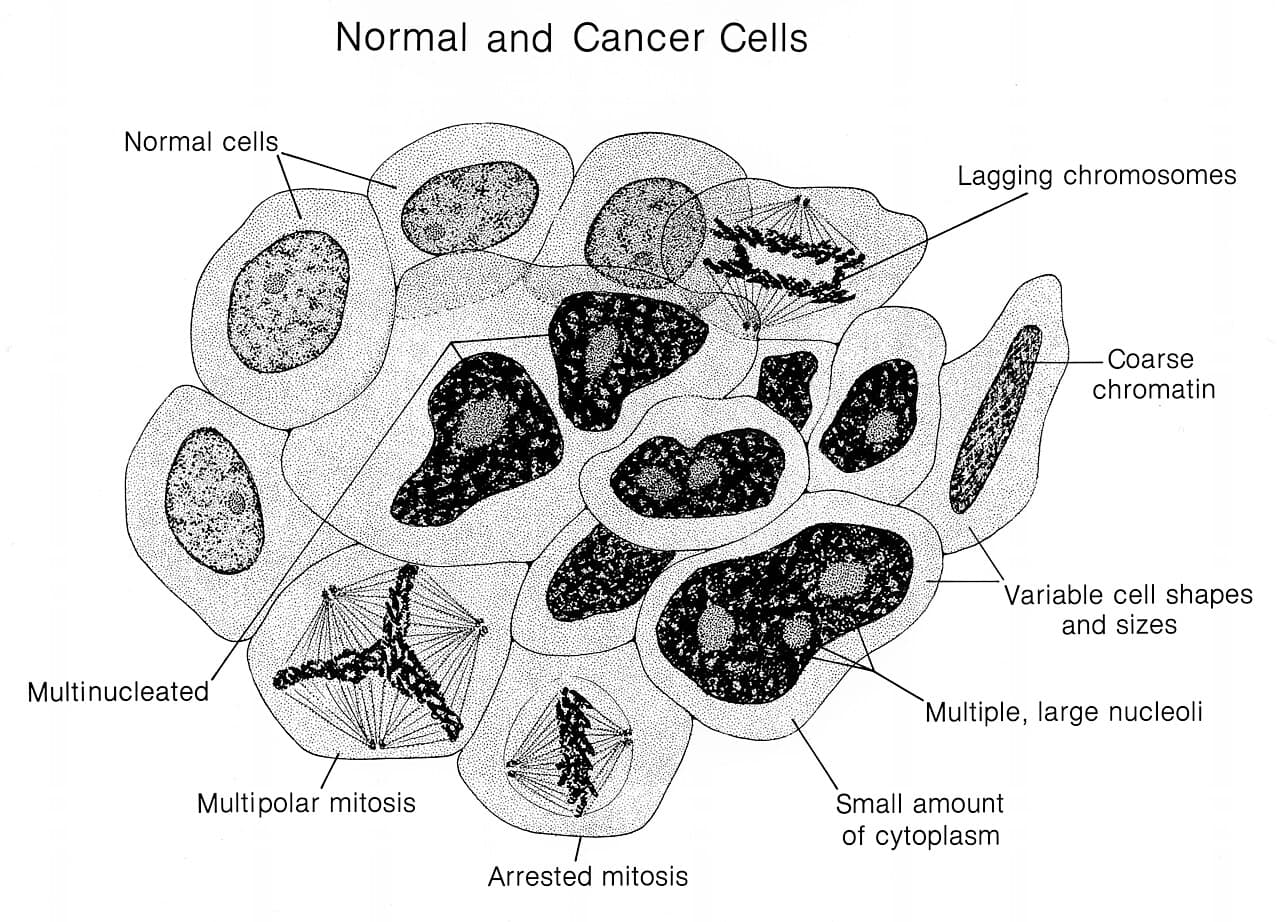
Normal cell vs. cancer cell
Healthy cells grow, divide, and die in an orderly way. Cancer cells lose that control — they keep dividing and can spread to other parts of the body. Knowing this helps you understand why early detection matters.
Cancer Types
Common Types of Cancer
The most common cancer types we raise awareness about — the warning signs to watch for, and the screening options that catch them early.
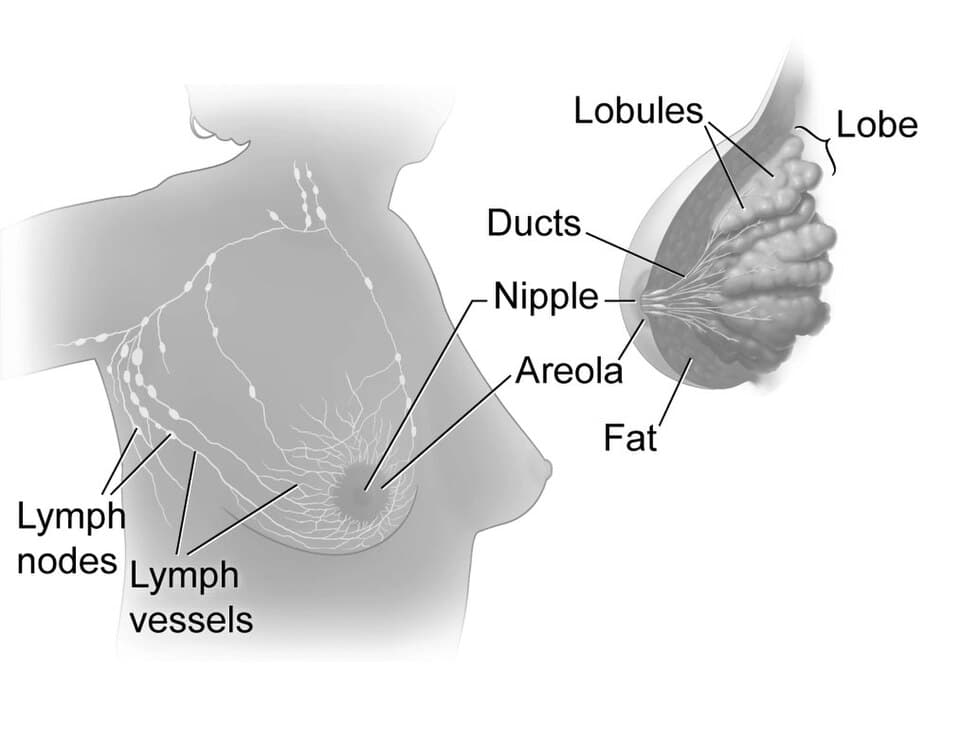
Breast Cancer
Warning signs: A new lump in the breast or underarm, a change in breast size or shape, skin dimpling, or nipple discharge.
Screening: Monthly self-exams, yearly clinical exams, and mammograms from age 40 — earlier if your risk is higher.
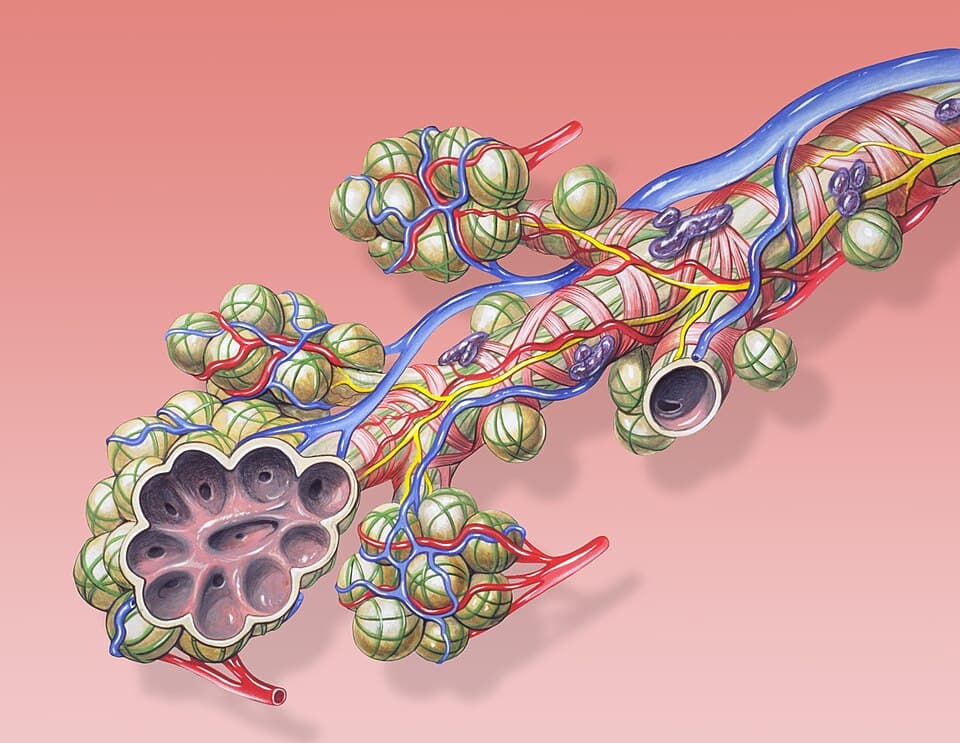
Lung Cancer
Warning signs: A cough that does not go away, chest pain, shortness of breath, coughing up blood, or losing weight without trying.
Screening: Low-dose CT scans for people at high risk — speak to a doctor if you have smoked for many years.
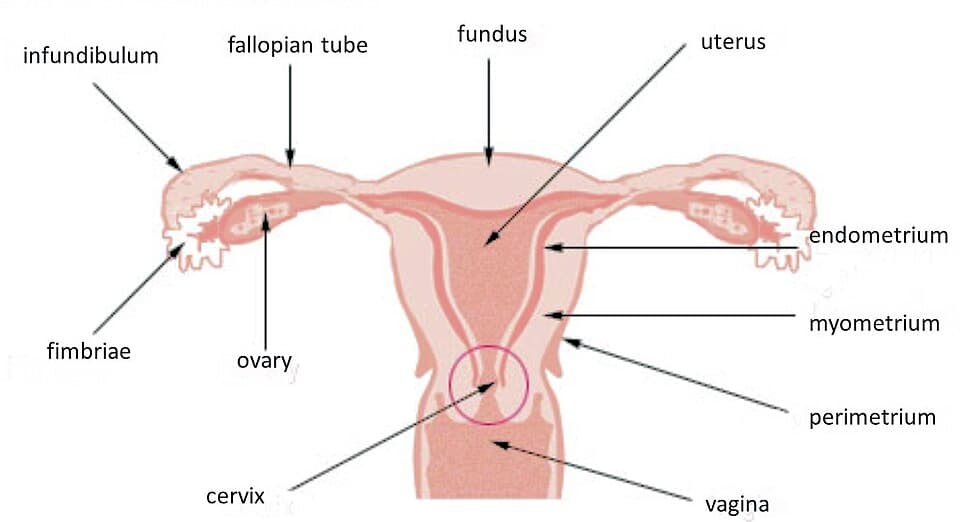
Cervical Cancer
Warning signs: Bleeding between periods or after intimacy, unusual discharge, or persistent pelvic or lower back pain.
Screening: Regular Pap smears and HPV tests from your mid-twenties, on the schedule your health provider recommends.
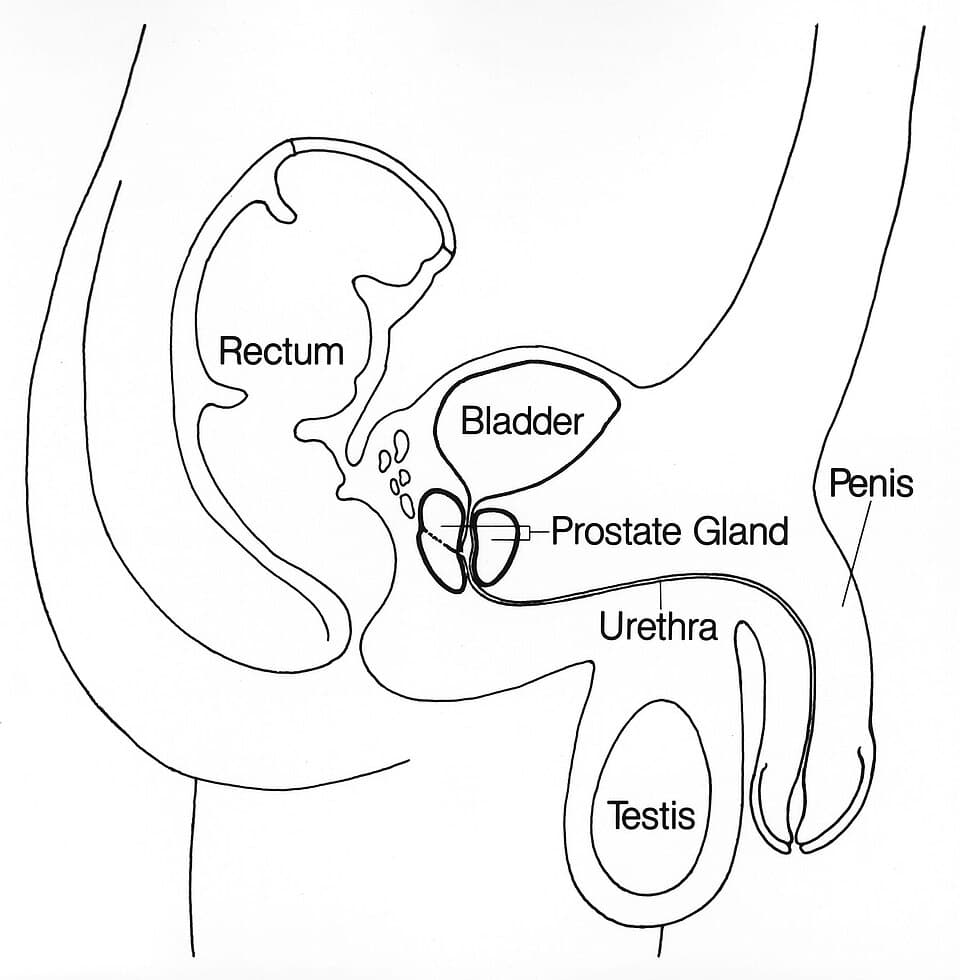
Prostate Cancer
Warning signs: Difficulty passing urine, a weak flow, blood in the urine, or ongoing bone or hip pain.
Screening: Discuss PSA testing with your doctor from age 50 — or from 45 if prostate cancer runs in your family.
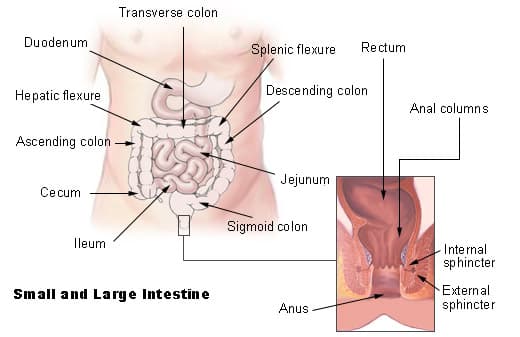
Colorectal Cancer
Warning signs: A lasting change in bowel habits, blood in the stool, stomach pain, or constant tiredness.
Screening: Screening from age 45 — usually a colonoscopy, or stool-based tests every one to three years.
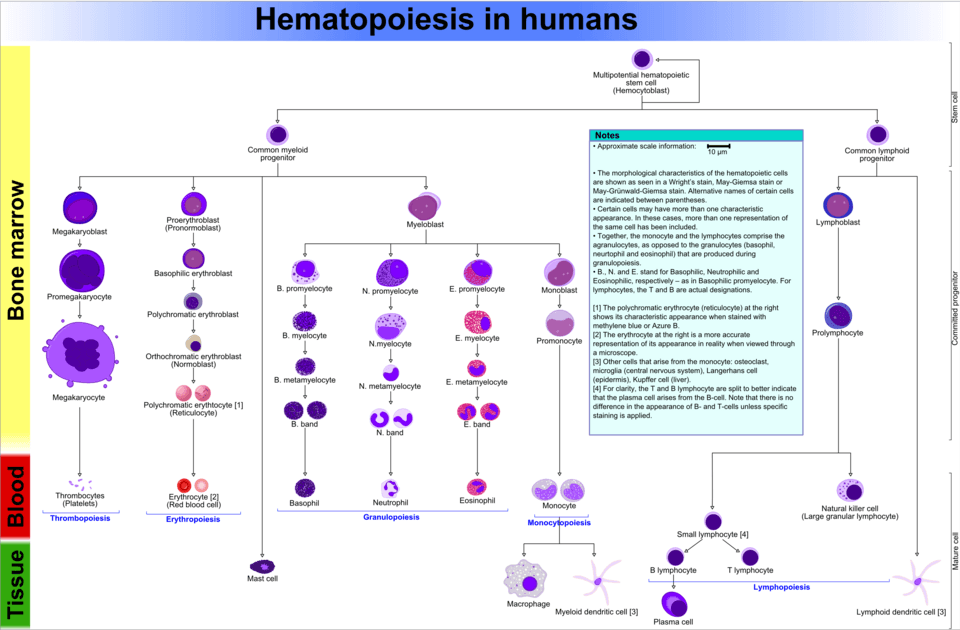
Blood Cancers (Leukemia & Lymphoma)
Warning signs: Frequent infections, extreme tiredness, easy bruising or bleeding, swollen glands, or bone pain.
Screening: No routine screening test exists — see a doctor if these symptoms persist; diagnosis is made with blood tests.
Educational illustrations: Wikimedia Commons — Gray's Anatomy plates (public domain), Yale School of Medicine medical illustrations, and CC-licensed contributors.
Prevention
Cancer Prevention: What You Can Do
There is no guaranteed way to prevent cancer — but these everyday choices measurably lower your risk.
Don't Use Tobacco
Tobacco is linked to many cancers. Quitting at any age lowers your risk — and avoiding secondhand smoke protects your family too.

Eat Healthy
Fill your plate with vegetables, fruits, and whole grains, and cut back on processed meat, sugar, and heavily processed foods.

Stay Active
Moving your body most days — even brisk walking — lowers the risk of several cancers and boosts overall health.
Maintain Healthy Weight
Keeping a healthy weight reduces the risk of more than a dozen cancers. Small, consistent habits win.

Protect from the Sun
Use SPF 30+ sunscreen, cover up in strong sun, and skip tanning beds entirely.

Limit Alcohol
The less alcohol you drink, the lower your cancer risk. Cutting back is one of the simplest changes you can make.
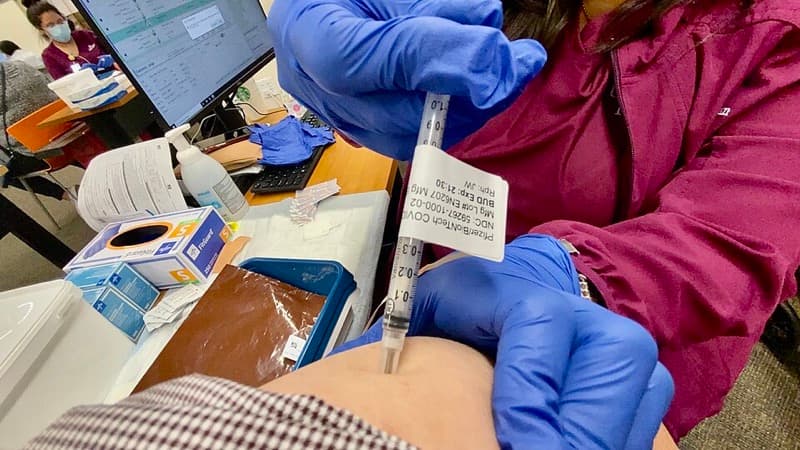
Get Vaccinated
HPV vaccination protects against cervical and several other cancers; the Hepatitis B vaccine protects the liver.
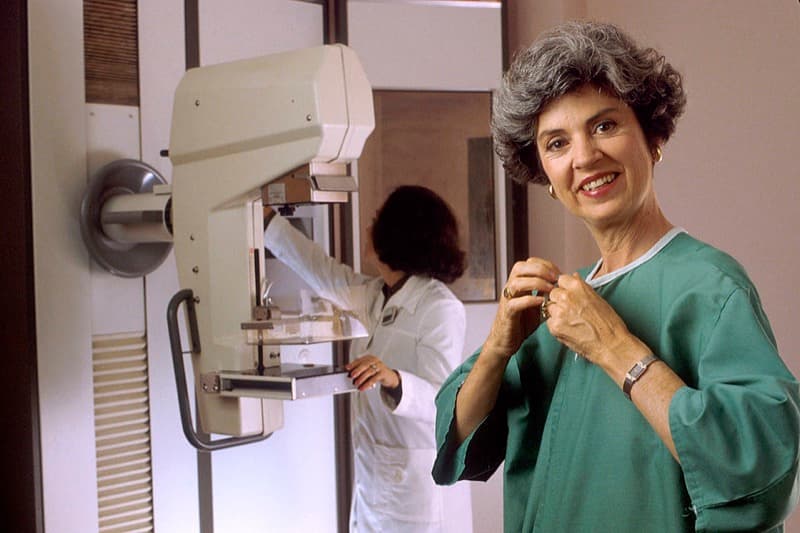
Regular Screenings
Screenings find changes before symptoms appear. Follow the schedule for your age and family history.
Risk Factors
Know Your Risk Factors
Some risk factors are within your control — others are not. Knowing the difference helps you focus on what you can change.
You Can Control These
- Tobacco Use — The single biggest preventable cause of cancer worldwide.
- Poor Diet — Diets low in fibre, fruits, and vegetables raise the risk of several cancers.
- Physical Inactivity — Sitting most of the day is linked to colon and breast cancer, among others.
- Obesity — Excess weight is linked to 13 different types of cancer.
- Alcohol — Any regular drinking raises risk; heavier drinking raises it more.
- UV Exposure — Sunburns and tanning beds damage skin cells and cause skin cancer.
- Environmental Toxins — Asbestos, some pesticides, and air pollution can increase cancer risk.
These Cannot Be Controlled
- Age — Risk rises as we get older — most cases occur after 50.
- Family History — Inherited genes play a part in 5–10% of all cancers.
- Sex — Some cancers affect men and women at different rates.
- Ethnicity — Some communities carry a higher risk for specific cancers.
- Prior Cancer — Survivors have a higher chance of a second diagnosis.
- Chronic Conditions — Long-term illnesses and some treatments can raise risk.
Early Detection
The Importance of Early Detection
Finding cancer early — before it spreads — is the single biggest factor in surviving it.
- Step 1
Know Your Body
Pay attention to changes and trust your instincts — anything unusual lasting two weeks deserves a doctor's attention.
- Step 2
Follow Screening Guidelines
Ask a health professional which screenings you need and when, based on your age and risk.
- Step 3
Know Your Family History
Tell your doctor about cancers in your family — it may mean starting screening earlier.
Warning Signs — See a Doctor If You Have Any of These for 2+ Weeks
These symptoms are often caused by conditions other than cancer — but they should always be checked by a doctor, especially when they persist.
Watch & Learn
Stories, Awareness & Hope
Films from our market and school outreaches — watch, learn, and share them with someone who needs them.
Market Cancer Awareness Outreach
Our volunteers take cancer awareness straight to the market — meeting traders and shoppers with information, self-check guidance, and screening referrals.
10 September 2026
A Shades of Bloom Foundation Short sharing cancer awareness tips, early detection guidance, and support resources for communities across Nigeria.
10 September 2026
A Shades of Bloom Foundation Short delivering key messages on cancer prevention, healthy lifestyle choices, and the importance of screening.
10 September 2026
A Shades of Bloom Foundation Short highlighting the warning signs of cancer and encouraging prompt medical consultation when symptoms appear.
10 September 2026
A Shades of Bloom Foundation Short raising awareness about cancer care, survivor support, and how early detection improves treatment outcomes.
Cancer Awareness
A Shades of Bloom Foundation Short focused on cancer awareness, early detection education, and community-based screening initiatives.
Share this information with your loved ones
Awareness spreads person to person. Join an outreach, volunteer with us, or support the mission — every conversation started is a life that may be saved.